

Ah, Japan. Japan is probably one of those countries that you’ve heard about a lot and probably gained an interest towards, for who knows how long. Japan is indeed filled with SO many things to do and it can be overwhelming to figure out where to start to plan for a trip like this.
So, I wrote my Japan itinerary that I followed through (for the most part). I can tell you, this itinerary and any itinerary you’ll find on Japan will not leave you well-rested. Japan is the type of trip that will be full of sacrifices towards fitness, be surrounded by huge surges of crowds around you, lines to wait in, and a ton of traveling to get to your destinations. This is expected, but I made sure my itinerary did leave some realistic things to follow through.
It is wonderful that you did choose interest in Japan because I fell in love with this country, despite me not really liking all those times of traveling within trains (because I am not a city girl nor ever thrived being one). But, the way this country preserves their original traditions and heritage while keeping up with the times of the presence is impressive. If there’s a country that I recommend everyone should see at least once in their life, it is Japan!
I also added some tips to know before you go, which you can either skip through the Table of Contents or just wait to read until you get through this whole itinerary. Note that this is not my exact itinerary (made a few adjustments) but if I had to fit in some of the places I really wanted to go I would do this exact itinerary again.
Day 1: Tokyo
Flying into Japan
Assuming you’ve already booked your flight, this day is going to be more of like a day 0… because you’re going to have to reserve this day for your travel times. Depending on where you live and how long the flight is, you may feel affected by the tiredness of the travel whether it’s from jet lag or just being on a plane for hours.
There are a few airports in Japan, but the one I recommend you booking to is NRT or Narita International Airport in Narita, Chiba, Japan. It is one of the two airports that will be the closest to Tokyo, the other being Haneda Airport.
Getting to Narita International Airport to Tokyo
After going through immigration, it’s time to hop on the train! You’ll walk over to the Narita Airport Station in Terminal 1. From here, you have to go find the ticket counters to book your tickets on a Skyliner train.
Our Airbnb was located in Shinjuku, so what we did was buy Skyliner train tickets to Nippori Station and then buy a JR transfer ticket to the Takadanobaba station.
Once you headed to your hotel/airbnb/vacation rental, try to see if there’s a 7/11 nearby.
On your first day, consider taking it as an easy day. I would suggest trying to go to the convenience stores that Japan is known for. 7/11 is one of the popular convenience stores in the country. I’d suggest going here to see all the variety of goods they have (it will be a lot to sort through!) and getting a snack for yourself.
Rest.
Since it’s your first day, you may still feel the bouts of jet lag, so take this day as a time to rest and catch up on more sleep, if you have not yet. The next days will involve more traveling.
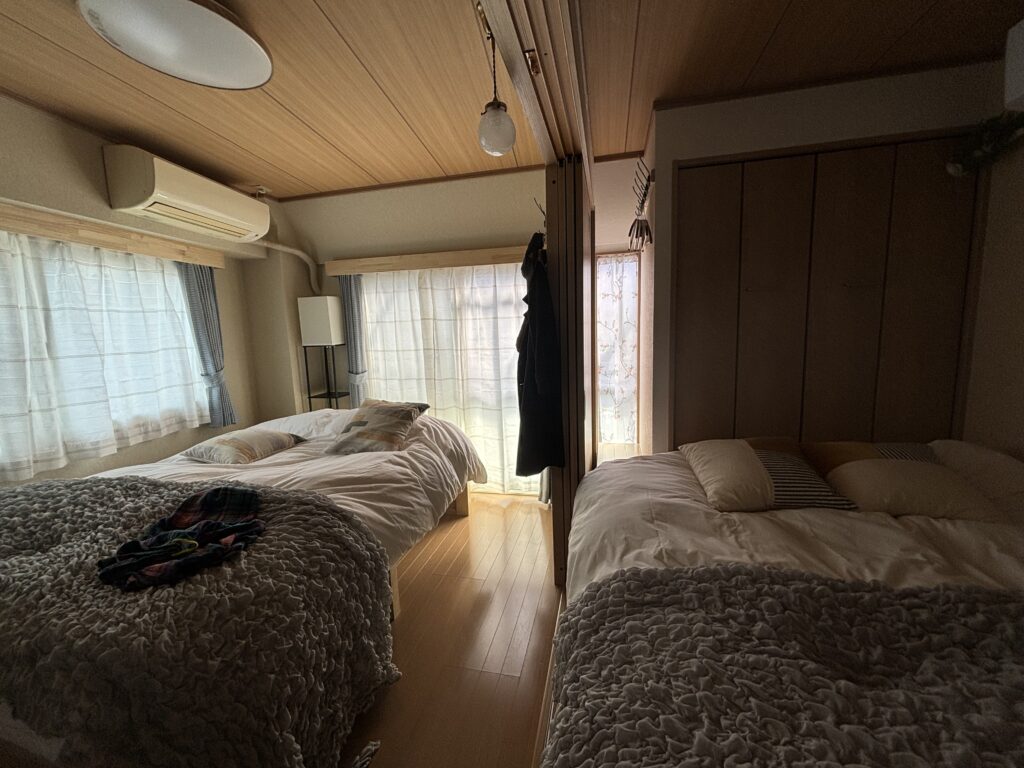
Day 2-3: Kyoto
Prepare your visit to Kyoto by getting on a train, using the Shinkansen, aka the bullet train and getting off the Kyoto Station. I recommend you look at my guide here on how to use the train and figure out your route. There a few districts of Kyoto, but I stayed around Downtown Kyoto so I will focus on that.
Drop by your rental place and then plan to explore a few of these ideas below:
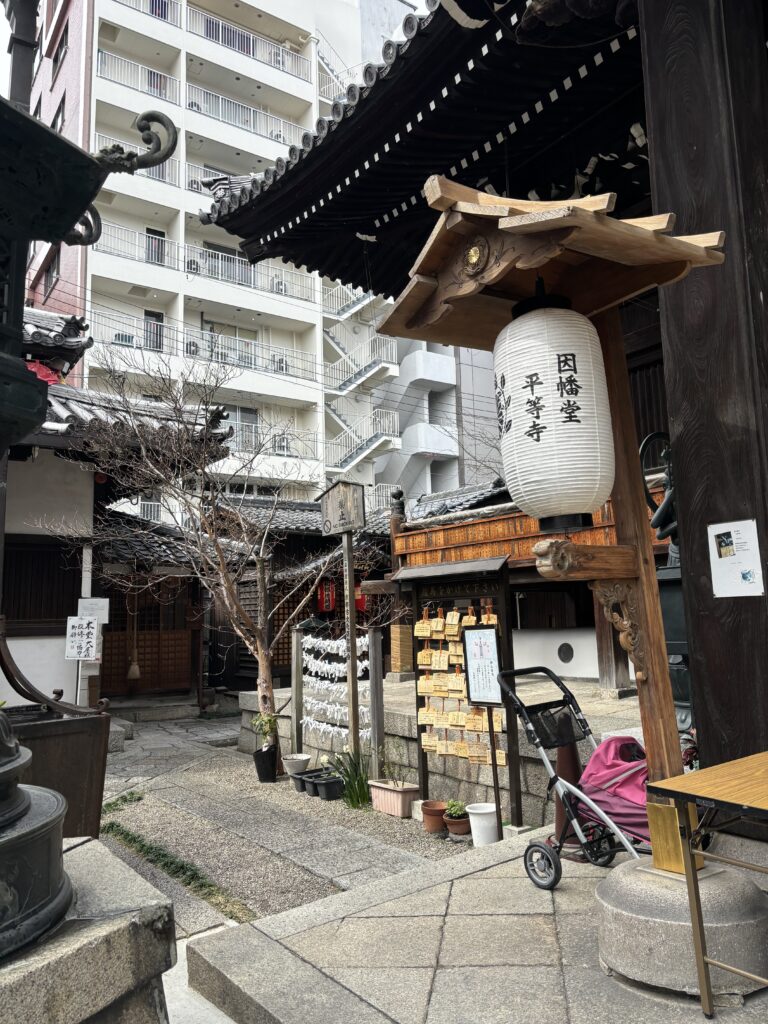
- Bukko-ji Temple: Known as “The Temple of the Buddha’s Light”, this Jōdo Shinshū temple is great to see for your first set of temples. It was completed in 1212. You can walk around in the front of it or go inside. They may sell some Japanese amulets called omamori and other cute trinkets in the outside of it.
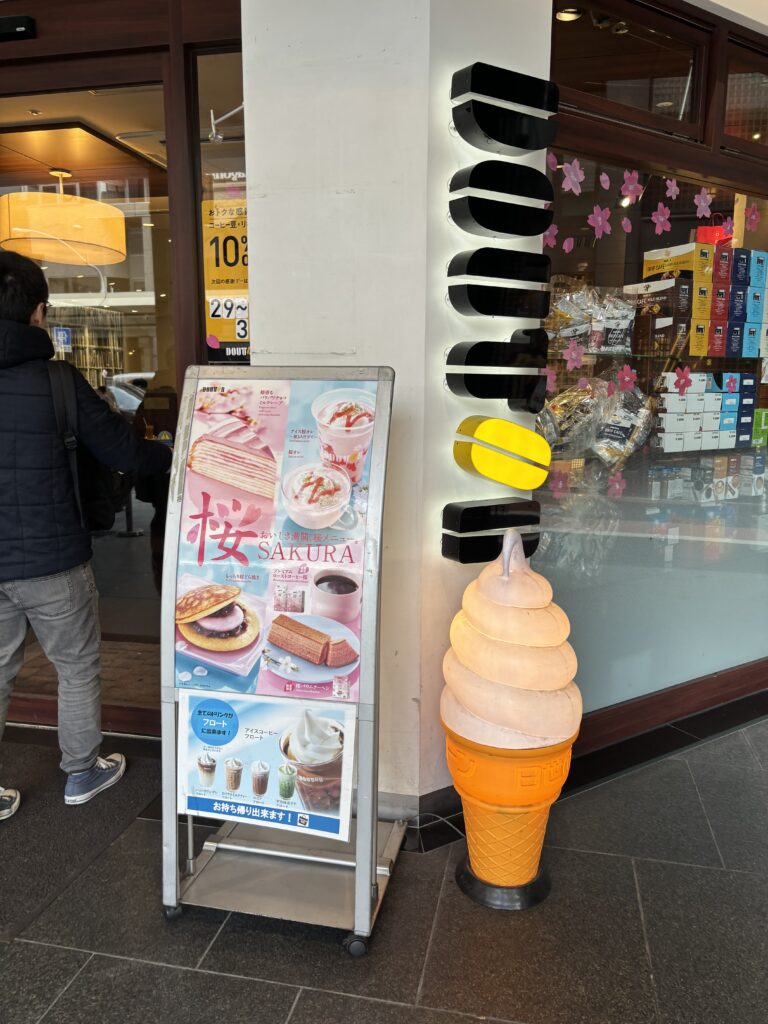
- Doutour Cafe: There’s a few of these if you head over to Shijo-Dori, Kyoto’s shopping district. This cafe has a good selection of crafted hot (or iced) drinks and their matcha is exceptionally good. If you come to visit Japan during cherry blossom season, they have sakura flavored drinks and desserts too.
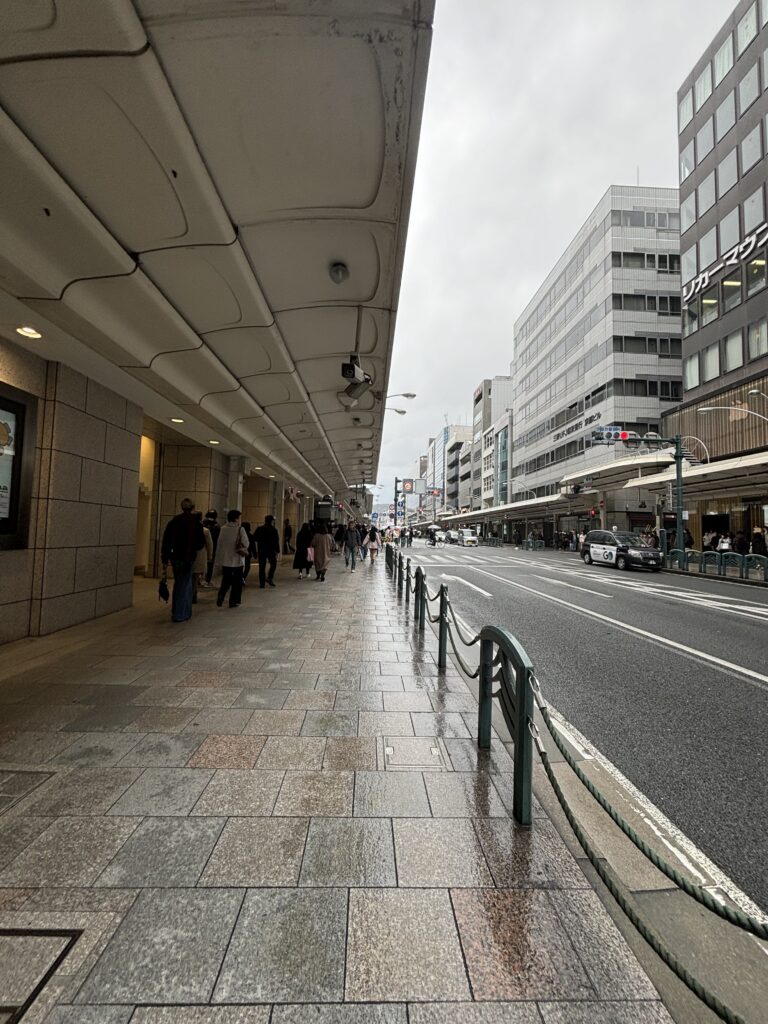
- Shijo-Dori Street: As mentioned above, this street is full of a lot of shopping! You’ll find high end stores to recognizable brand stores to bookstores and it is also considered a foodie’s paradise.
- Daimaru Department Store: This is one of Kyoto’s largest department stores and in here, there is food, services, and some recognizable brands. If you’re in Shijo-Dori Street, you might as well come here.
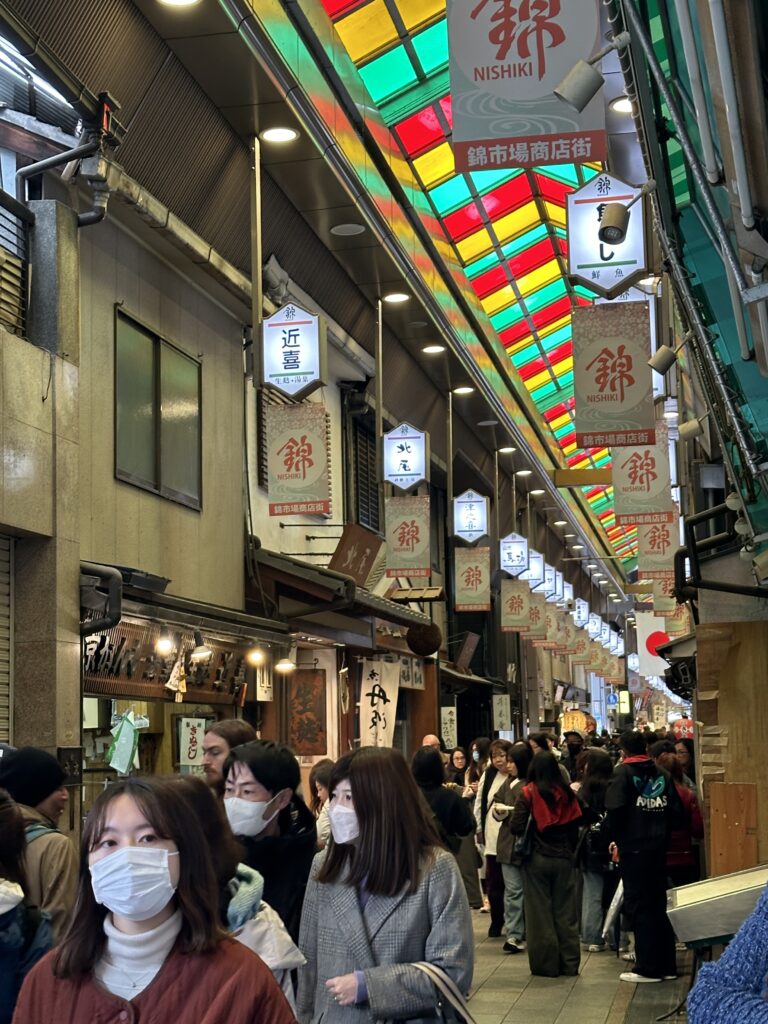
- Nishiki Market: If you LOVE food, you need to give this place a visit but you gotta come hungry. It’s not far from the places I listed above. This marketplace is about five blocks long, and it sells fresh seafood, sushi, sweets, and other culinary delights. They also have some pharmacy stores and gift shops if you’re needing anything from those. There’s a matcha shop that I really liked called Sawawa Japanese Maccha Sweets and they have a huge variety of matcha products; I really recommend their warabi mochi.
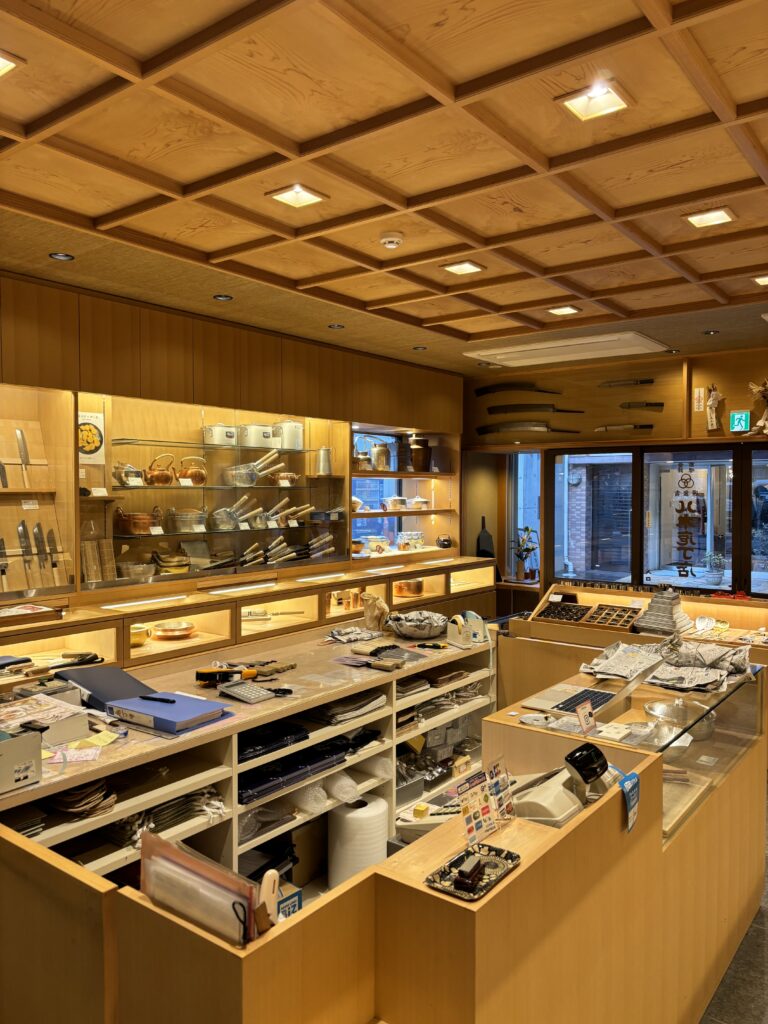
- Yagi Houchouten: This is a knife shop and one of the oldest in Kyoto, providing a variety of cooking tools for over 150 years. If you’re looking for a good souvenir to take back home or to gift someone, you should consider this. Their knives are a work of true craftsmanship, being modeled after Japanese swords, and you can even get your Japanese name engraved on them.
- Visit these other temples: Yōgen-in Temple, Tōfuku-ji Temple, Tōji Gojūnotō, Otani Hombyo Temple
Day 4: Osaka
After Kyoto, you can take the train from Kyoto Station to get to the city of Osaka. Osaka is a large port city that is known for its street food, nightlife, and if you’re looking to get more into history.
Here are the things I recommend:
- Get an Amazing Day Pass: This pass can be purchased on their website (https://osaka-amazing-pass.com/en/) and then you can pick it up at the station in Osaka. This is a good deal to give you access to a lot of their popular attractions, which I list a few of them below.
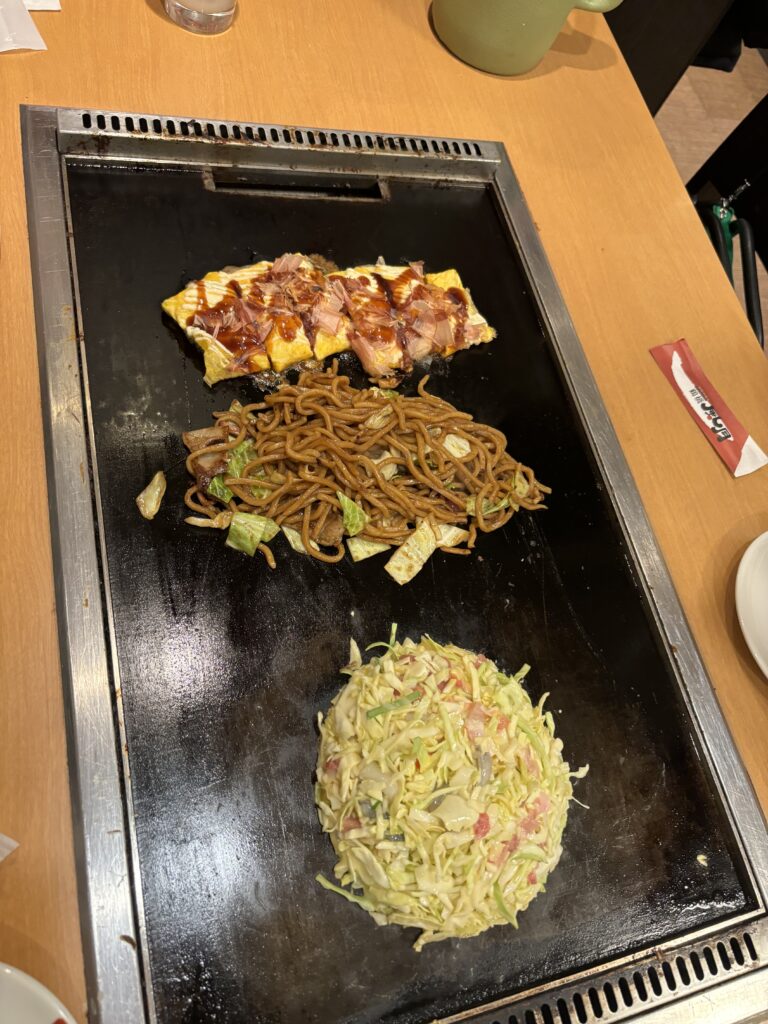
- Get okonomiyaki at this restaurant, Tsuruhashi Fugetsu Dotombori Ebisubashi: Okonomiyaki is a Japanese pancake type of food that has wheat flour and toppings like cabbage, meat, seafood mixed with sauce, mayonnaise, and pickled ginger. It is truly delicious and unique! I recommend this restaurant. You could even try Japanese omelet, called tamagoyaki, here and soba noodles. There’s many more options.
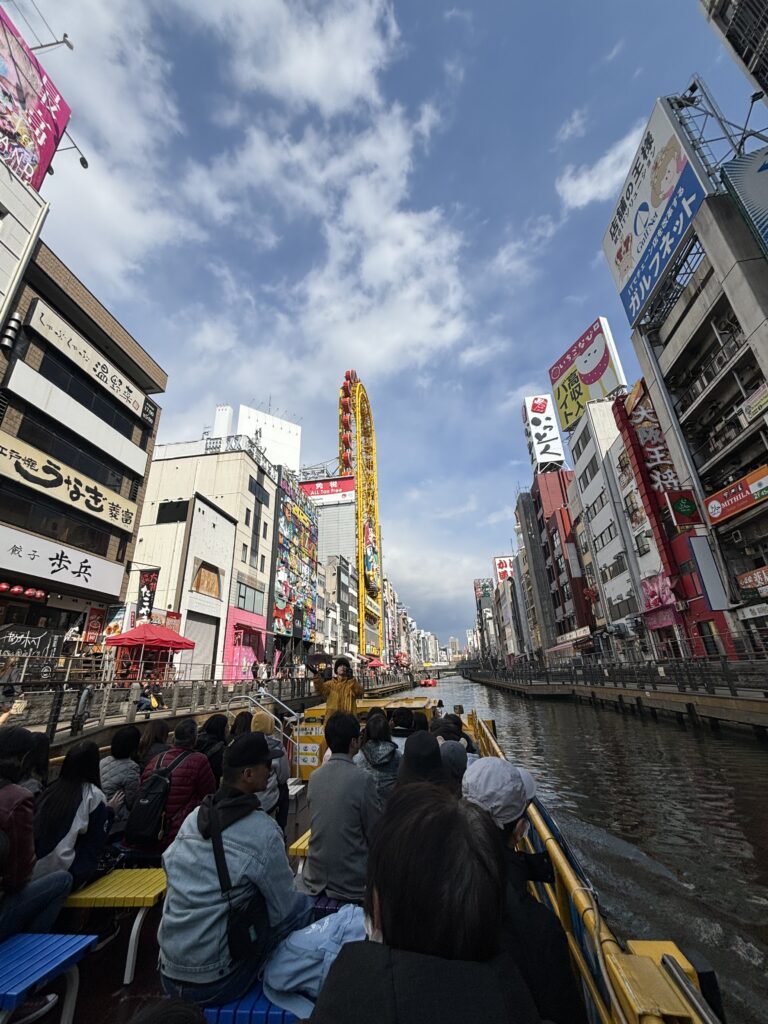
- Osaka boat tour: This boat tour includes a guide that explains the history and the sights you’ll see as you cruise along the Tombori River.
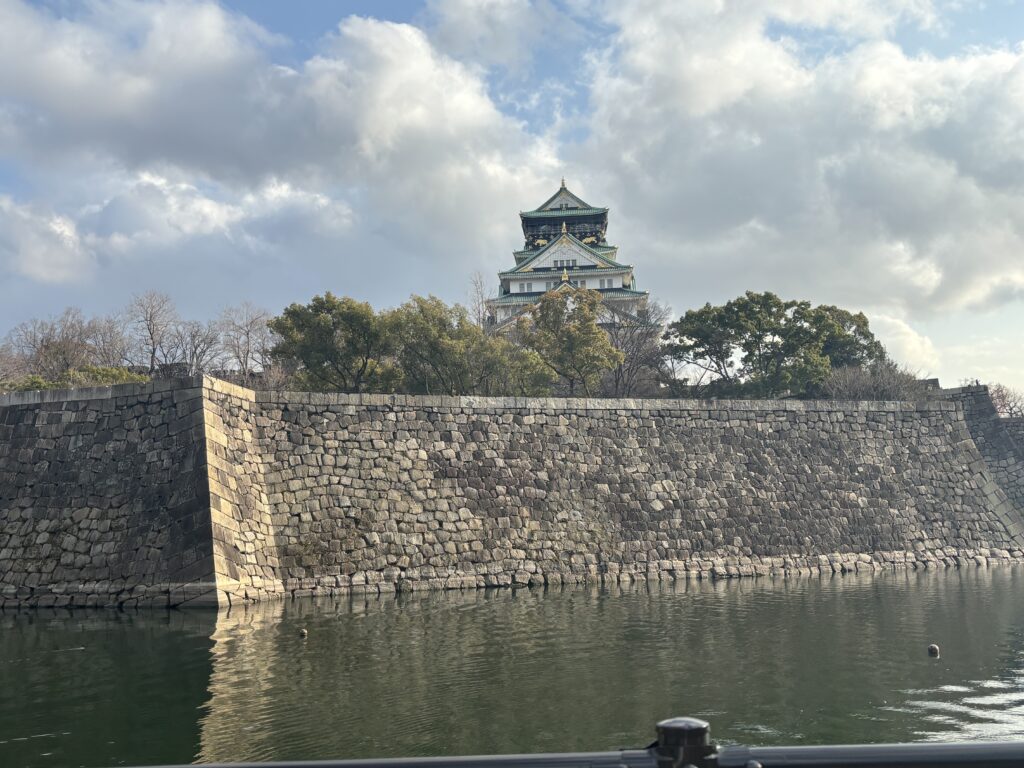
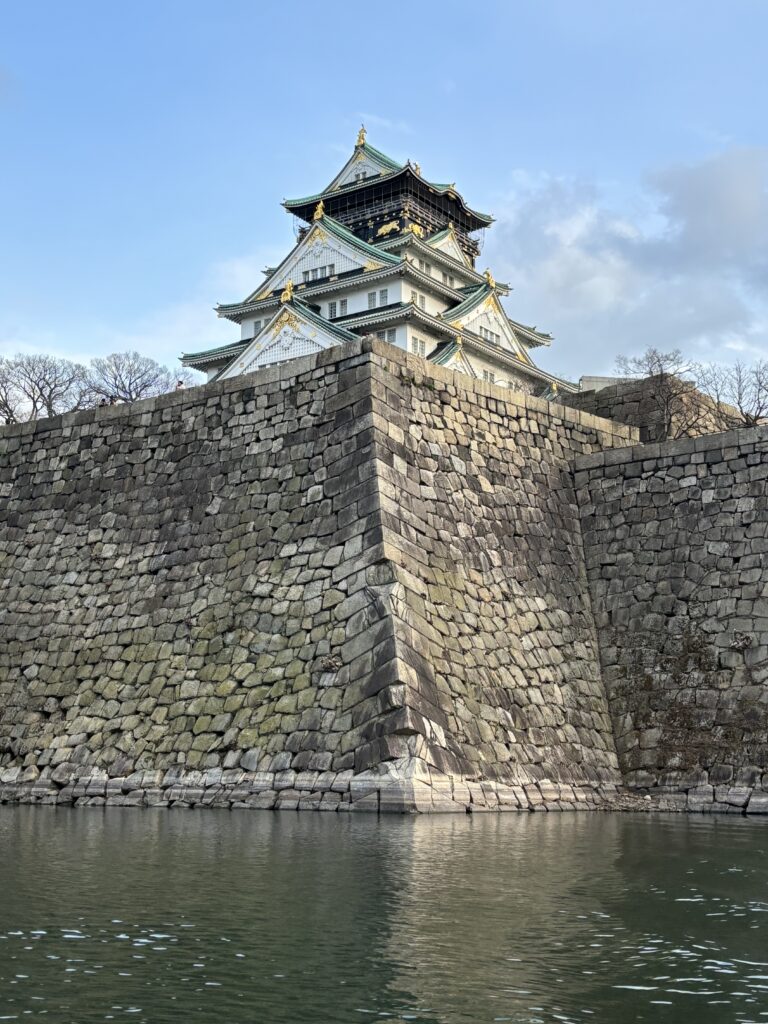
- Osaka Castle and a boat tour: Literally considered one of Japan’s famous landmarks, Osaka Castle is a stunning piece of architecture to marvel at. With your Amazing Day Pass, you could get a free boat ride that comes with a tour guide. This boat ride is called Osaka-jo Gozabune Boat.
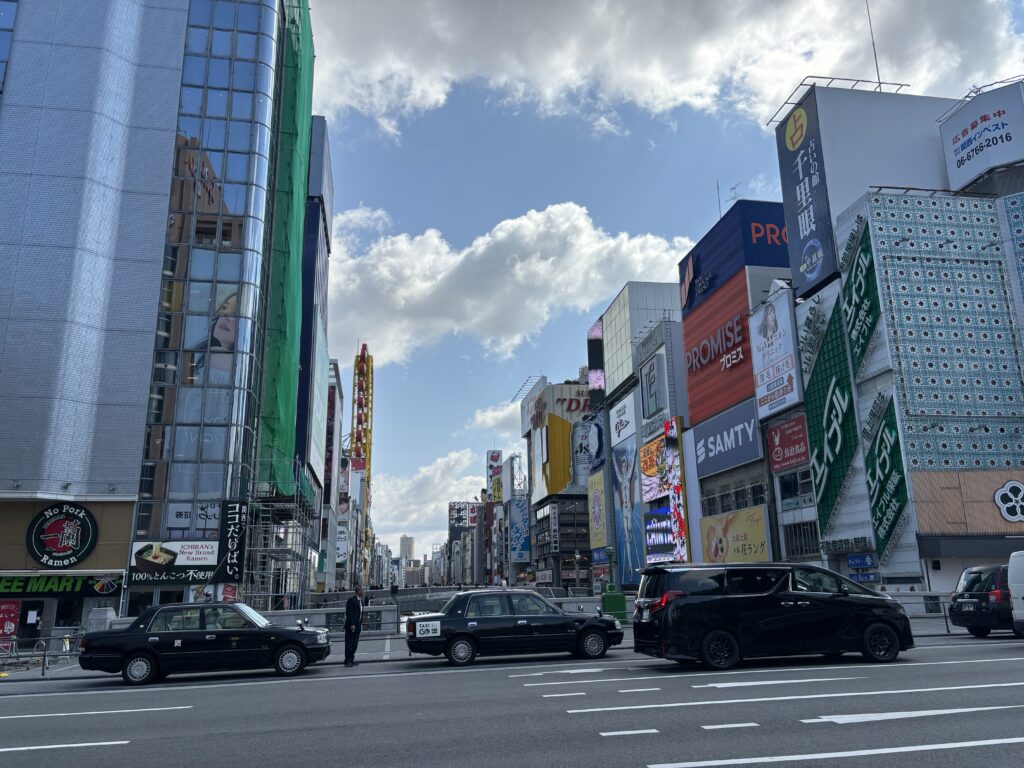
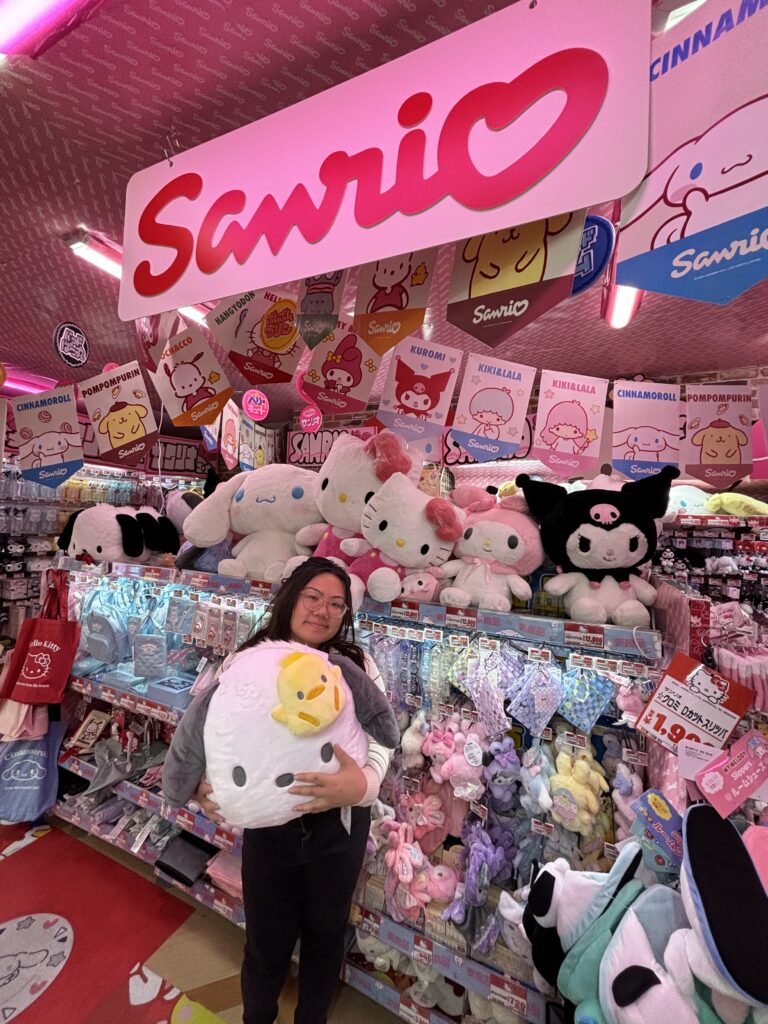
- Dotonbori Shopping Area: Dotonbori is known for its street food and its shopping. It is along this canal and you might spot the iconic Glico running guy. There are a lot of stores to find here, one I recommend is Don Quijote Dotonbori. Also you should try the cheese coin food and tornado potato sticks if you can find them along the canal!
- Keihan City Mall: Actually, my sister and I accidentally found this. It’s kind of a maze inside but you can find some recognizable Japan brands here. I personally thought this mall was huge.
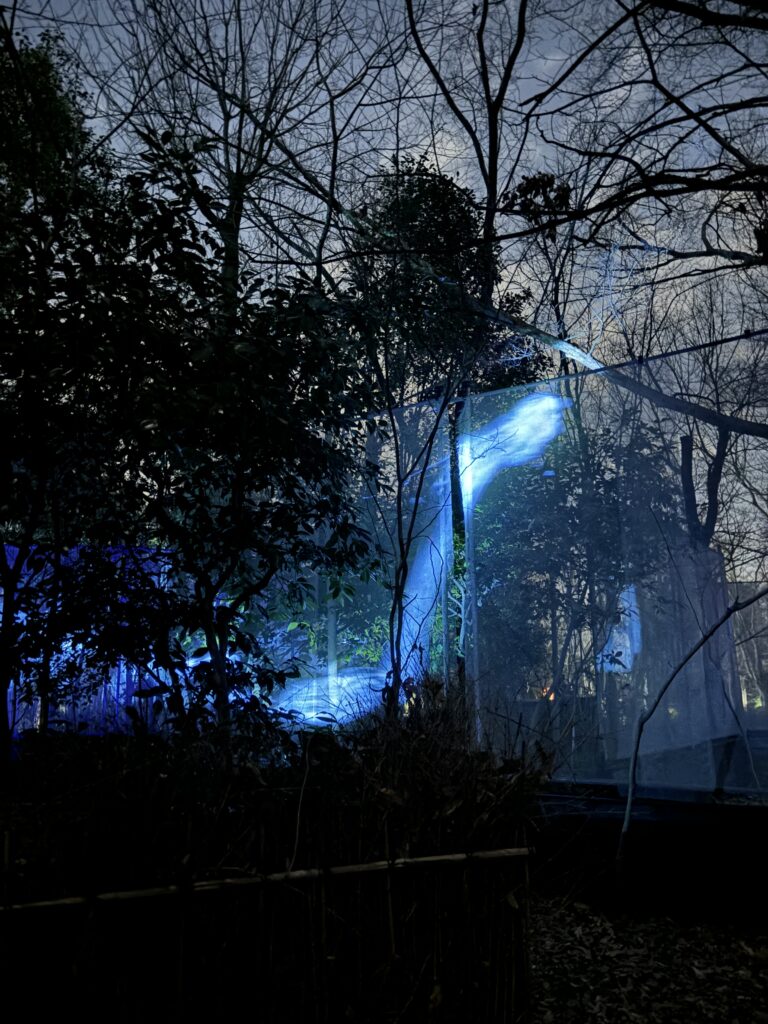
- teamLab botanical garden: Located in the Nagai Botanical Garden, there’s a lake here surrounded by many acres, where the light art installations are at. These art installations are beautiful to marvel at and there’s even huge blocks of Van Gogh-inspired painting style swirling around.
Day 5: Nara
Nara, the capital of south central Honshu in Japan, is a historic city that developed from the Edo and Meiji period.
Here are the things I recommend in Nara:
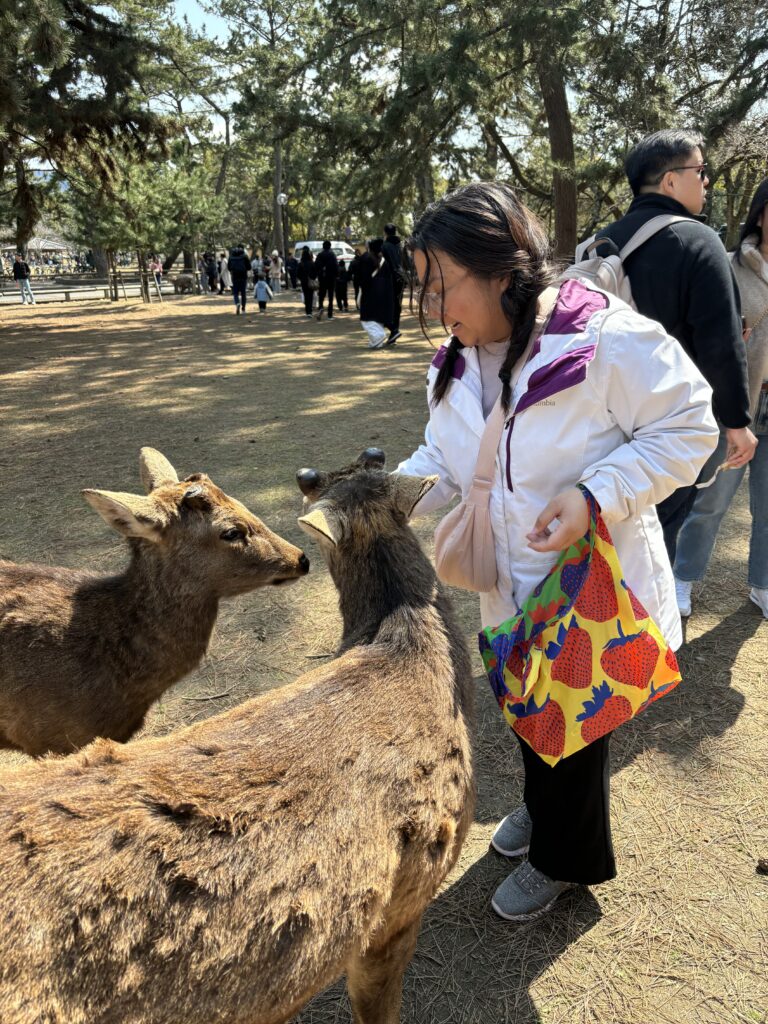
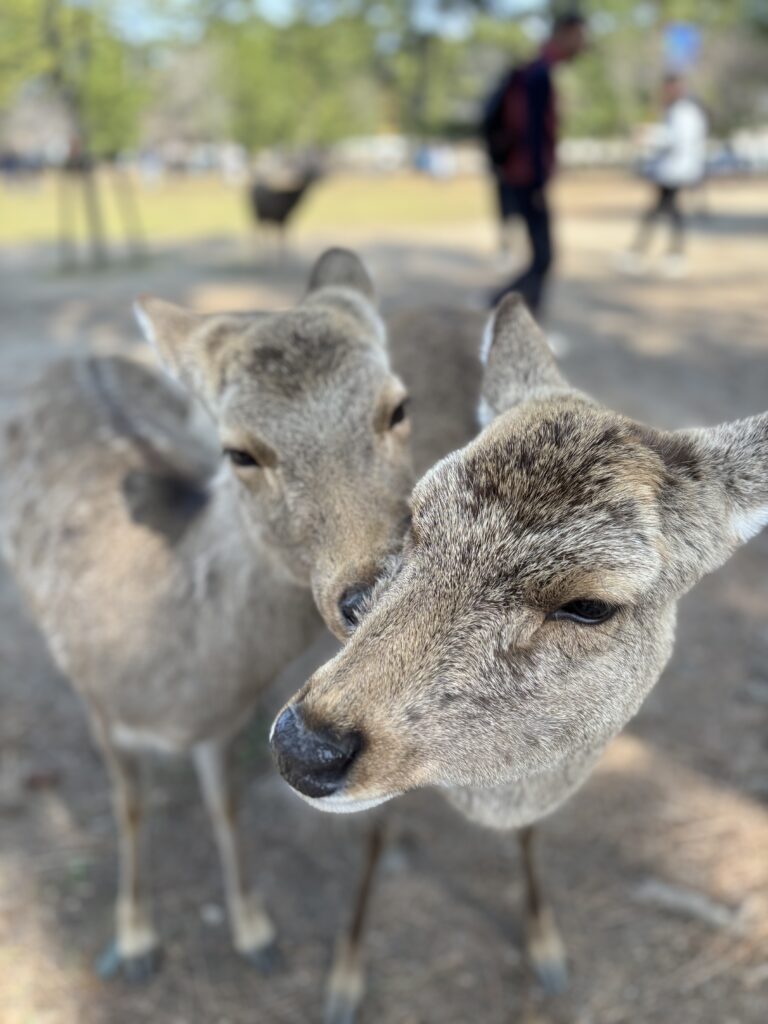
- Go to Nara Park to feed and pet deer: Nara Park is known for having Japanese deer roam around. You can buy some crackers from vendors just around the park for a few yen. These deer are tame around people so they’re gentle, but also take precaution to give them space when necessary. Something cool about these deer is that they can bow before getting fed with a cracker.
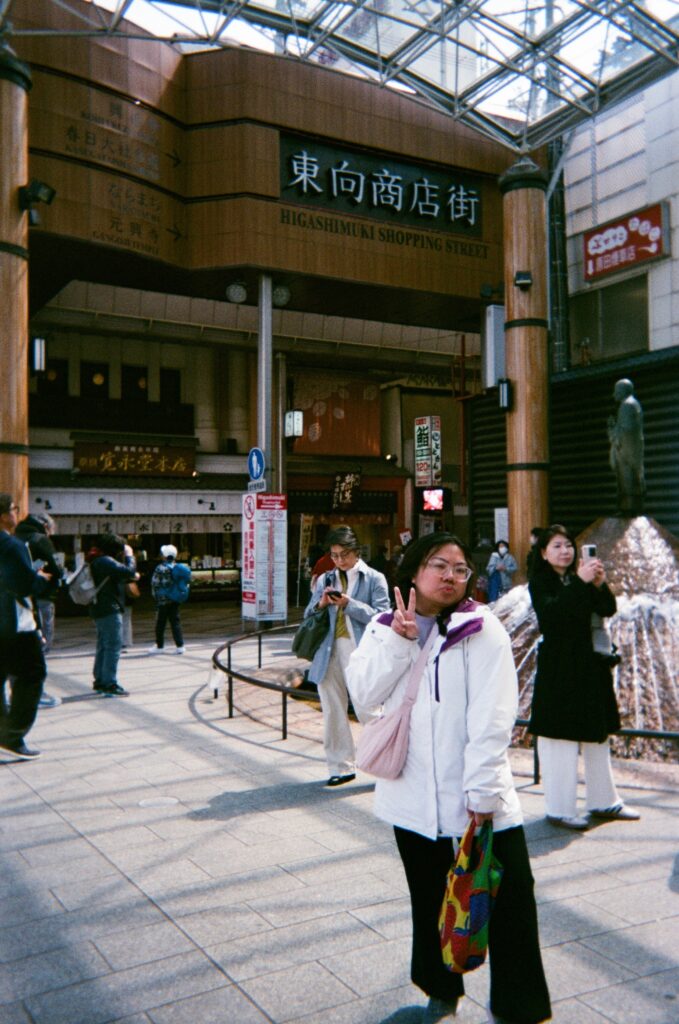
- Higashimuki Shotengai Shopping Arcade: This is just outside the Kinetsu Nara Station. There are several stores in here from art and craft shops, clothing shops, souvenir shops, tea and confectionary shops, stores that sell anime figurines and other collectibles, and restaurants.
- Mochiidono Shotengai Shopping Arcade: Right on the other side, south side, of Higashimuki Shotengai, there is another market here. It’s similar to what you can find in the other market.
- Yakushi-ji Temple: Very close to Nara Park, this temple is a beauty to see. It’s an ancient Buddhist temple and considered a UNESCO World Heritage Site as it is one of the Seven Great Temples of Nanto, a collection of historic influential temples around Nara. You can’t take any photos when you go inside though. There is a gift shop too where you can buy souvenirs and Japanese amulets.
- Other temples in Nara to see: Toshodaiji Temple, Todai-ji Temple, Hōryū-ji Temple, Kōfuku-ji Temple
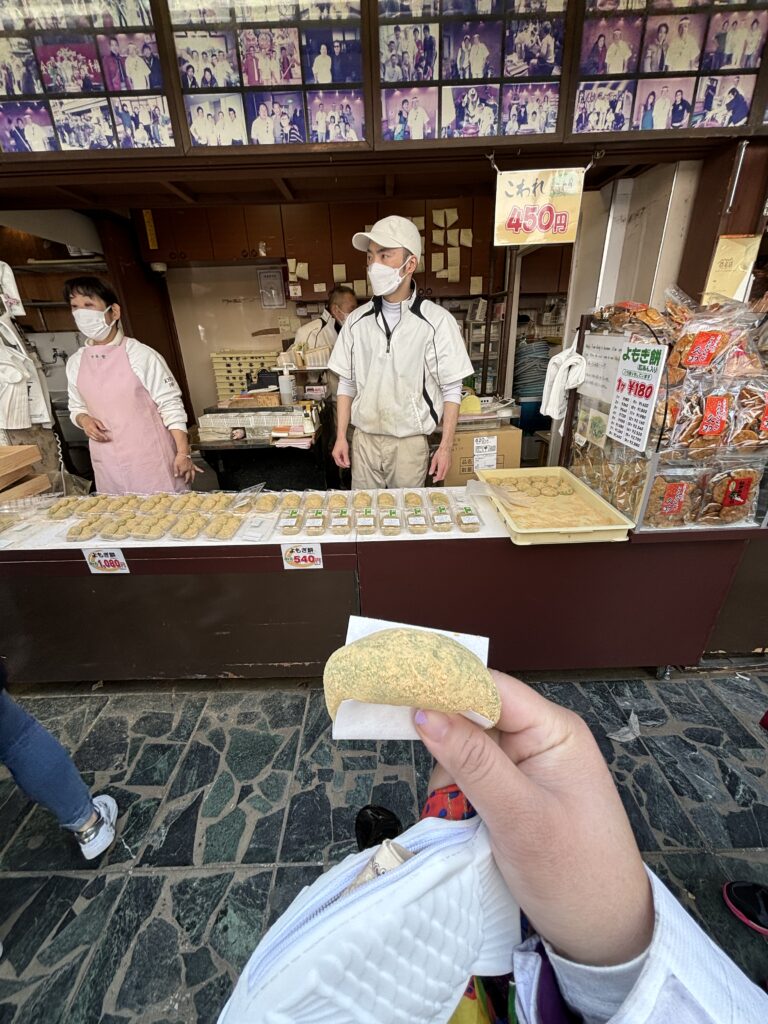
- Get pounded mochi at Nakatanidou: If you’re a lover of mochi, these are probably the best one yet and they are pounded and made right in front of your eyes. Their mochi is yomogi mochi and are made from the process of mochitsuki pounding, a traditional method to turn sticky rice into smooth pase. They’re green on the outside with kinako, soybean flour, and is filled with anko, a sweet red paste made from azuki beans. They’re super tender, chewy, and filling.
- Get the burger and melon soda at Mos Burger: Not going to lie, this is probably one of the best burgers I’ve had because it is known for their tomato sauce over their patties. It’s also surprisingly a great combination with their unique melon soda.

Day 6: Rest Day
After your trips to Kyoto, Osaka, and Nara, you may want to consider getting back to the Tokyo area because they’ll be more to explore around there, after all, it is HUGE. You would take the Shinkansen (the bullet train) again. It’s important to take some rest as you’ve probably already done a lot of walking.
I stayed around Shinjuku City and I suggest that area for a rental place. The one I rented from was this Airbnb. It’s very safe there and you can walk around your place, day or at night. There are also a few spots of train stations to easily walk to, making it easy to get around Tokyo.
During my rest day, I did not want to fully stay indoors, but there is a restaurant called KISOJI and they’re actually located in a few different areas of Japan. They have sukiyaki and shabu-shabu, so you would expect a multiple course meal at this restaurant. What I got for $60 here was: 4 types of sashimi, Wagyu beef and rice, shrimp dumpling soup, soup, wagashi, 3 different types of tempura, strawberry and orange mochi, vanilla ice cream and fruit flan, green tea, ginger ale, and it was worth it, plus you’re served with waiters that are dressed in traditional kimono robes.
Day 7: Tokyo
Make a day out of Tokyo by seeing these spots:
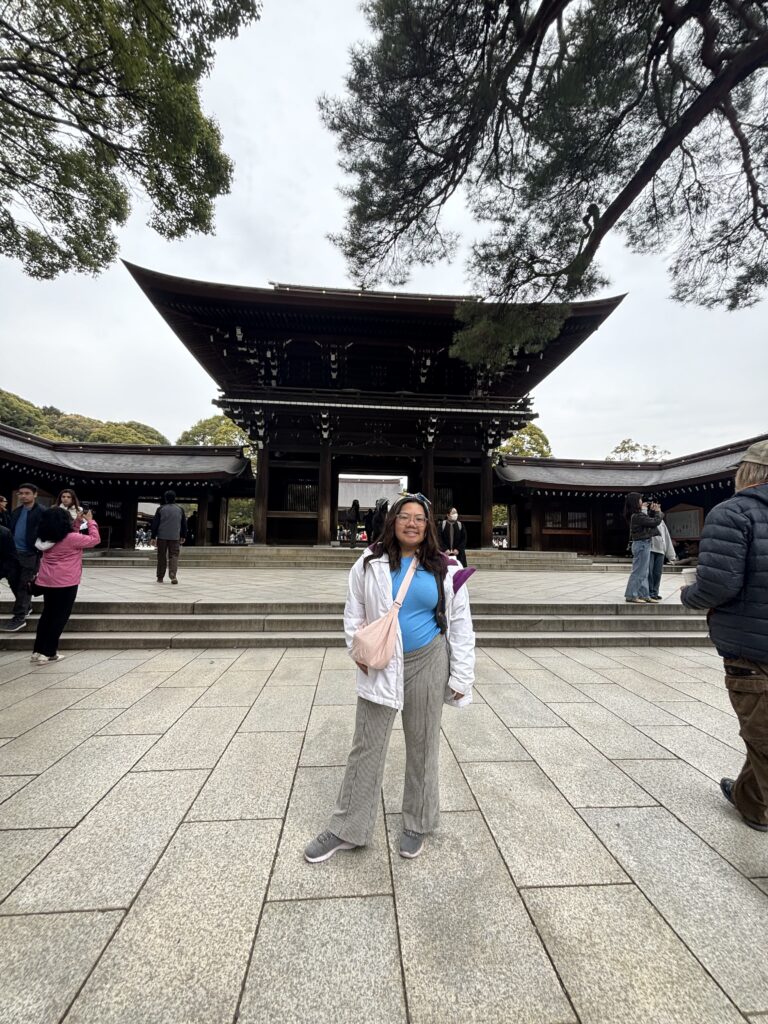
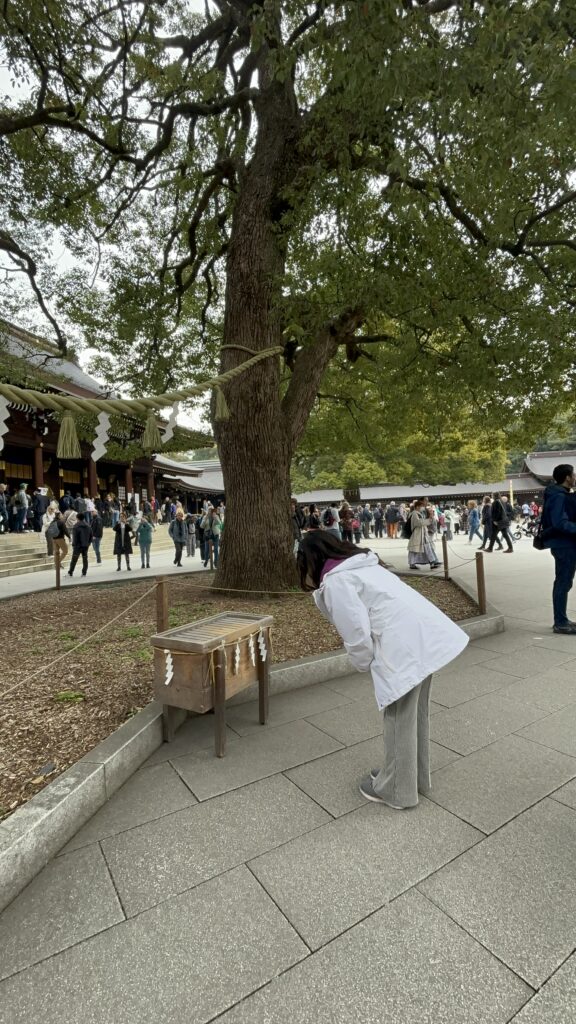
- Meiji Jingu Shrine: This shrine is located in Shibuya, Tokyo, and it is an imperial shine dedicated to Emperor Meiji and his wife. This is a beautiful escape to some nature too with trees surrounding the shrine and as you walk closer to the shrine. Before you enter in, you must wash your mouth and hands as a tradition. There’s a pair of trees known for the “trees of love” and you’ll spot this when you see two trees tied together: for this, you can put in a coin and pray towards it with your romantic desires or your intention for love. There’s another opportunity for praying just infront of the shrine. You could also write down your prayers and drop it in one of the prayer boxes. I recommend grabbing an Omnikuji poem too if you’re looking to feel more spiritually inspired from this visit.
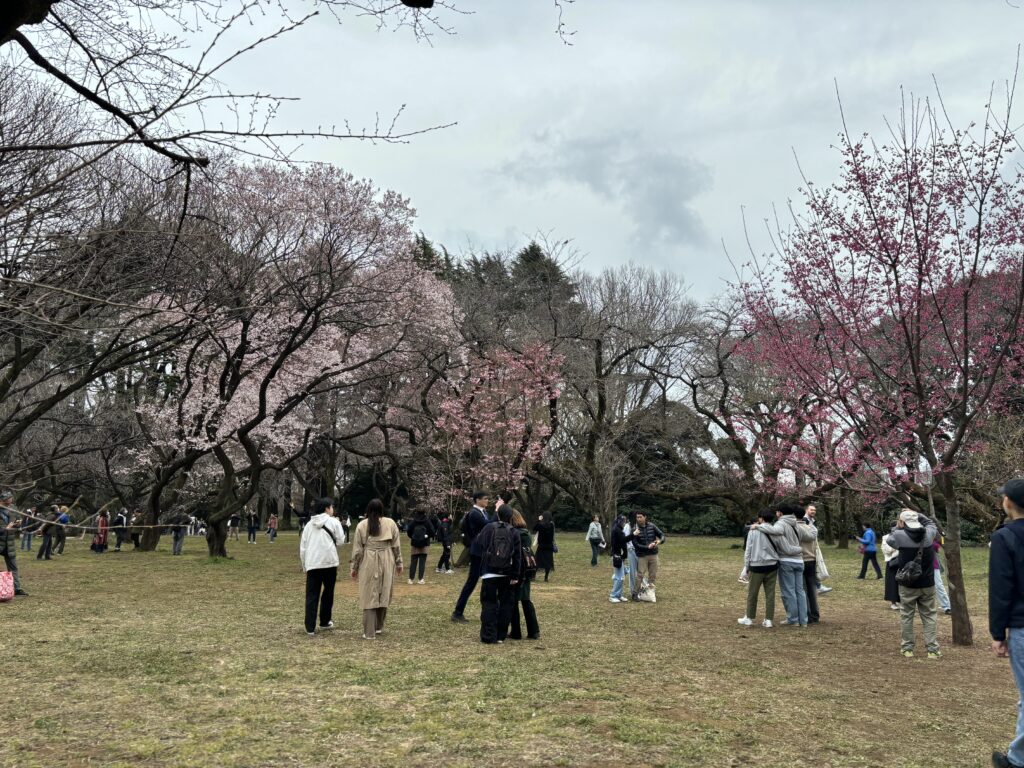
- Shinjuku Gyoen National Garden: This large public garden park, located in between Shinjuku and Shibuya, had been opened since 1906 and is very picturesque with trees and a pond that has koi fish in it. There’s plenty of space to find seating whether on grass or on their benches and there’s gardens all around too. During cherry blossom season, you can find many of cherry blossom trees here. I recommend you buy a ticket on their website, however, to reserve a spot inside their park.
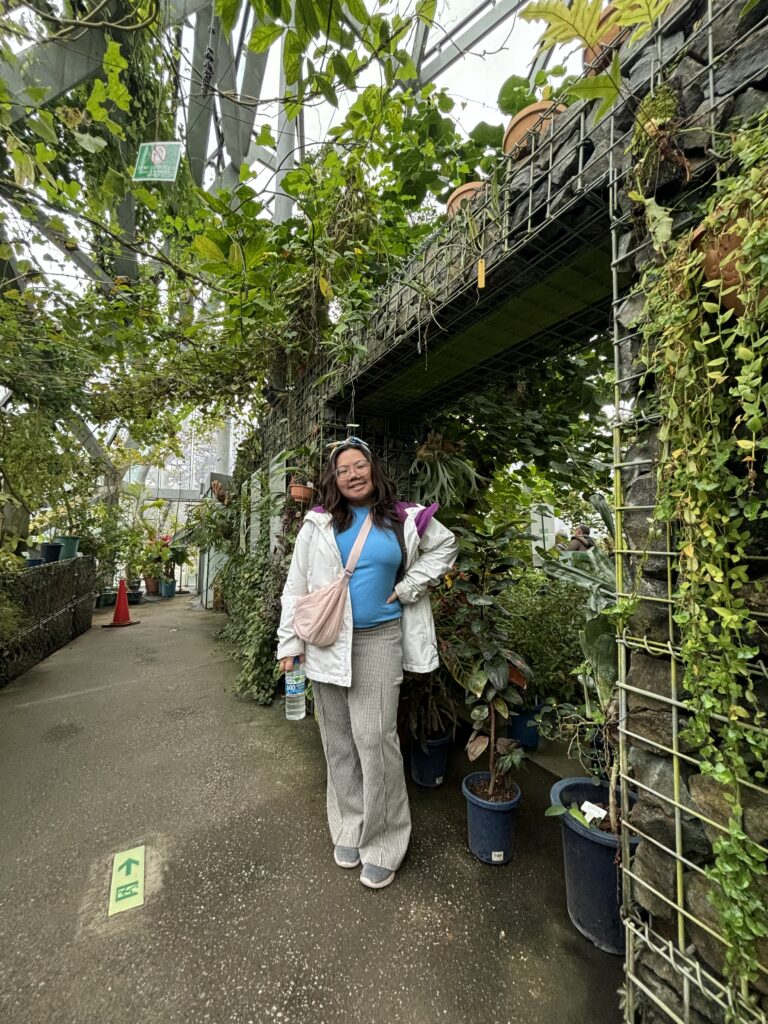
- Shinjuku Gyoen Botanic Indoor Garden: Inside the garden park too is a botanical garden that’s located inside a huge greenhouse. It’s free to enter in and I recommend giving yourself time to explore this, to find many species of plants.
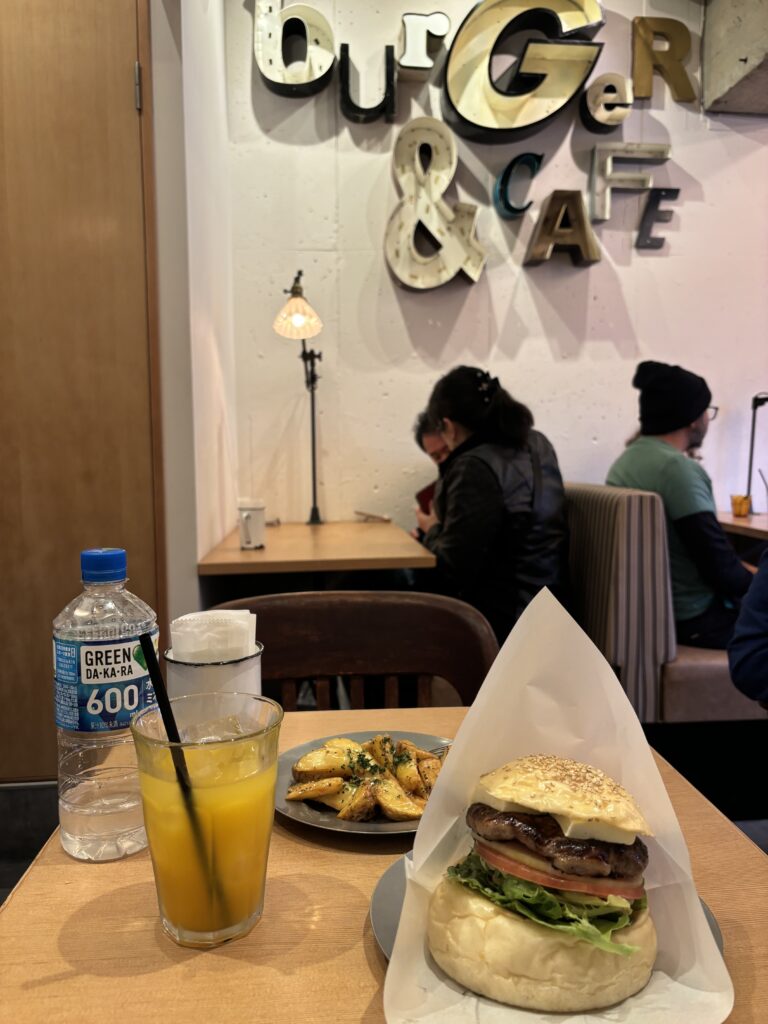
- Get a burger at Burger Kitchen Chatty Chatty: There are a few restaurants close to the park once you exit out and want to grab a bite. I intentionally lined up to a ramen restaurant near this burger place, but I couldn’t wait for a long line, so I walked over here and I’m glad I did! Their burgers are really good with fresh buns with unique flavors and their sides are really good too.
Day 8: Tokyo
Continue with Tokyo with some of these ideas:
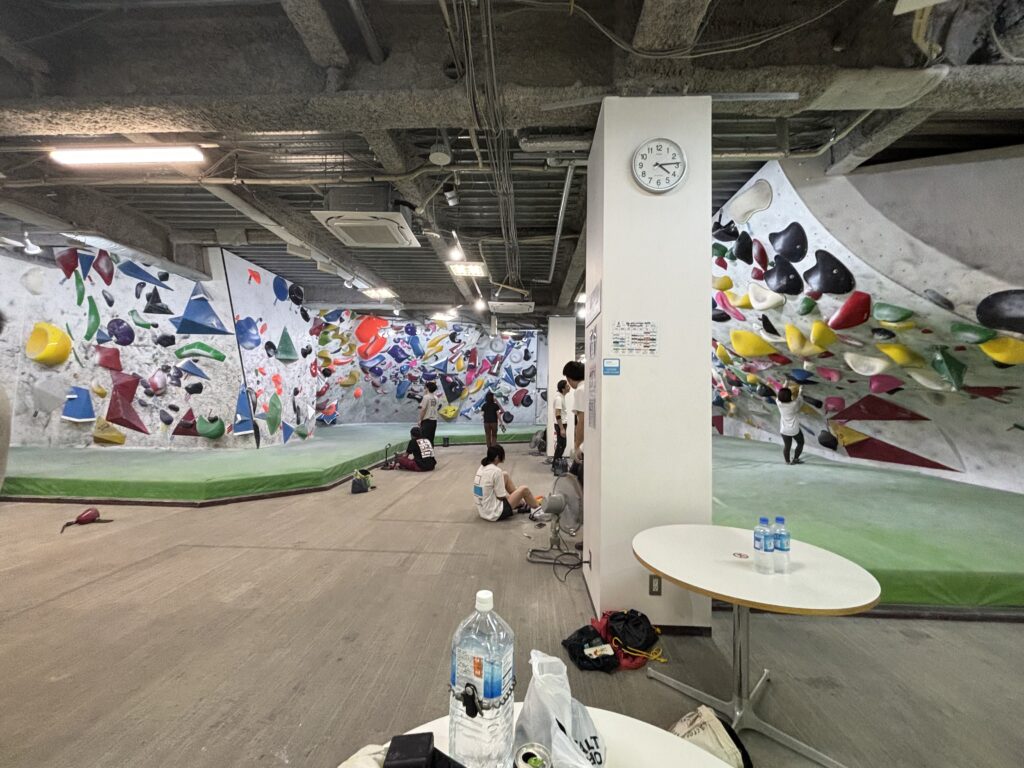
- If you like climbing, I recommend B-Pump Gym: B-Pump Gym is a bouldering gym and it’s a good place to get some of workouts in. It has multiple floors that you can walk to or use the elevator with, and plenty of routes. They also have a lot of good items they sell in their merchandise shop.
- Kanda Myoujin Shrine: This is very close to B-Pump Gym and I recommend you checking it out after. It’s personally nicer to see it at night because the shrine lights up. This Shinto shrine dates back more than 1,000 years ago but was rebuilt a few times due to fires and earthquakes. You can pray here and even get some fortune blessings from an ascending dragon fortune machine. Some even choose to hang them around.
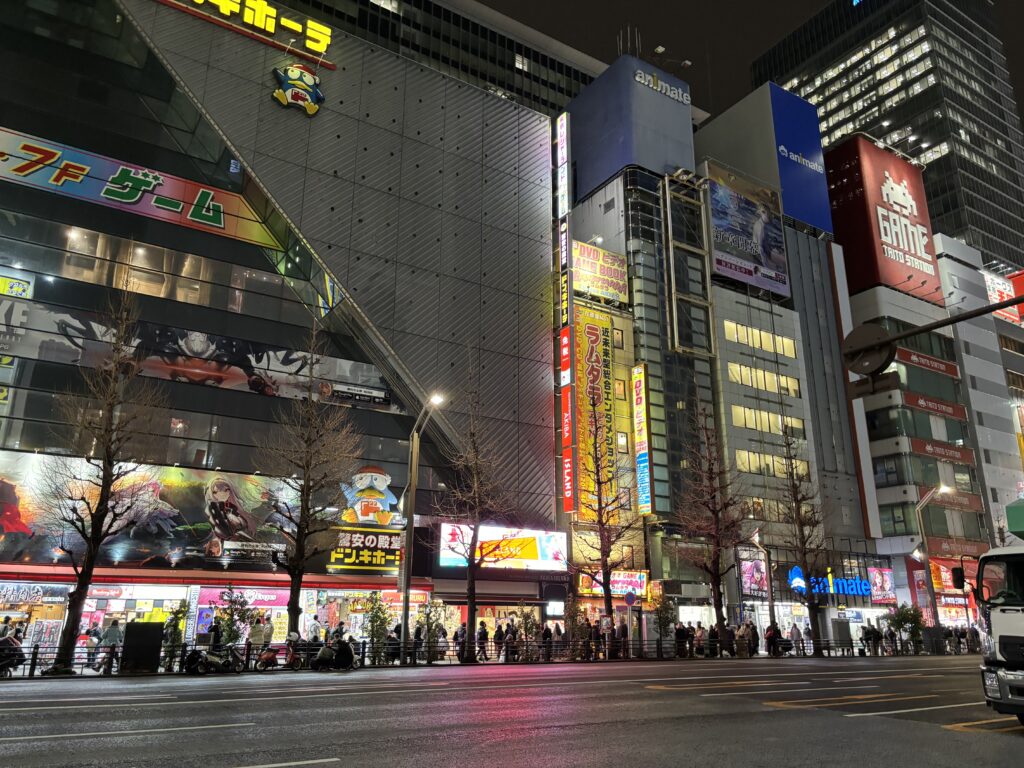
- Hop on a train to explore Akihabara: Akihabara is perfect for nerds, geeks, gamers, anime lovers, and the like. There will be plenty of stores catering to this demographic. There’s also some quirky things to find here like maid cafes. It’s a great place to walk around to also find food and to find some souvenirs.
- Eat Ramen at Kyushu Jangara: Around Akihabara, I found this ramen place by chance and it is very, very good. There are many authentic ramen options, including vegan ones. The place is very small so there will usually be a wait for customers.

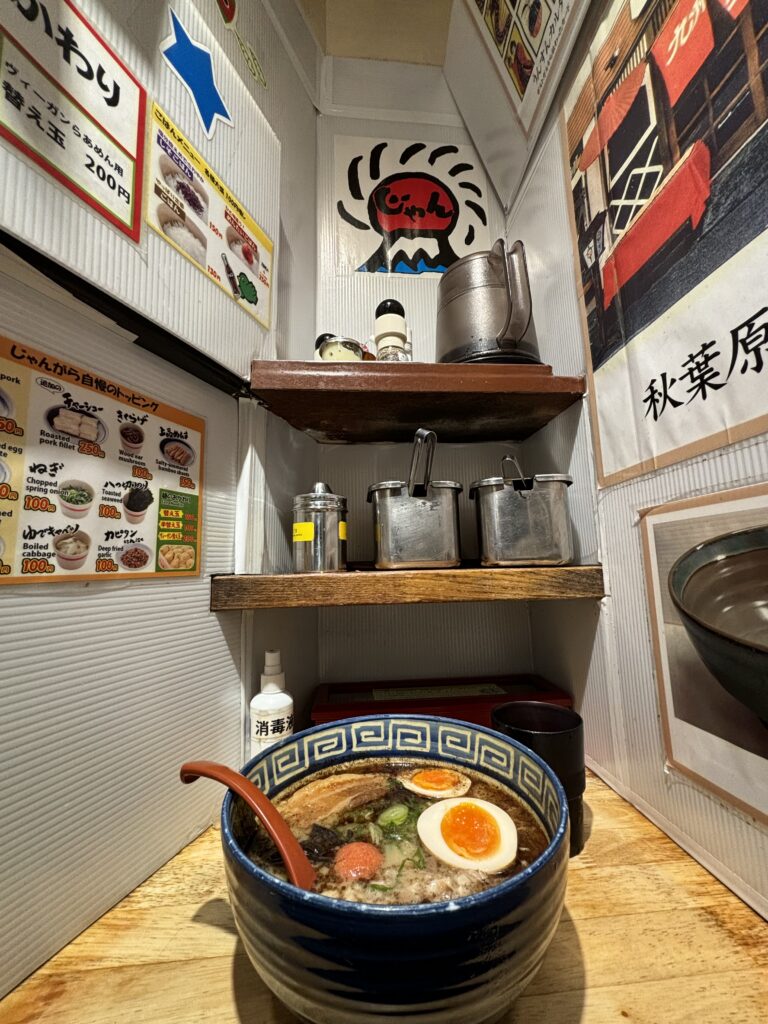
Day 9: Tokyo
Tokyo truly is huge! Here is what’s good to do next:
- Tokyo National Museum: I really loved this museum and if you’re a museum lover, you may really love learning about the history of Japan through its religions and periods with multiple floors to see authentic historical pieces. There’s a stamping activity right through the gift shop, which I recommend doing both. This museum is very popular so there will be a long wait for entrance.
- Eat at a food truck or at the restaurant outside of the museum: There may be a few food trucks parked out of Tokyo National Museum, so I recommend going to one because the chances are the food will be really good! I got some tempura bowl from one and fresh ginger ale in another food truck. There’s also a restaurant that is right next to the museum too as an option.
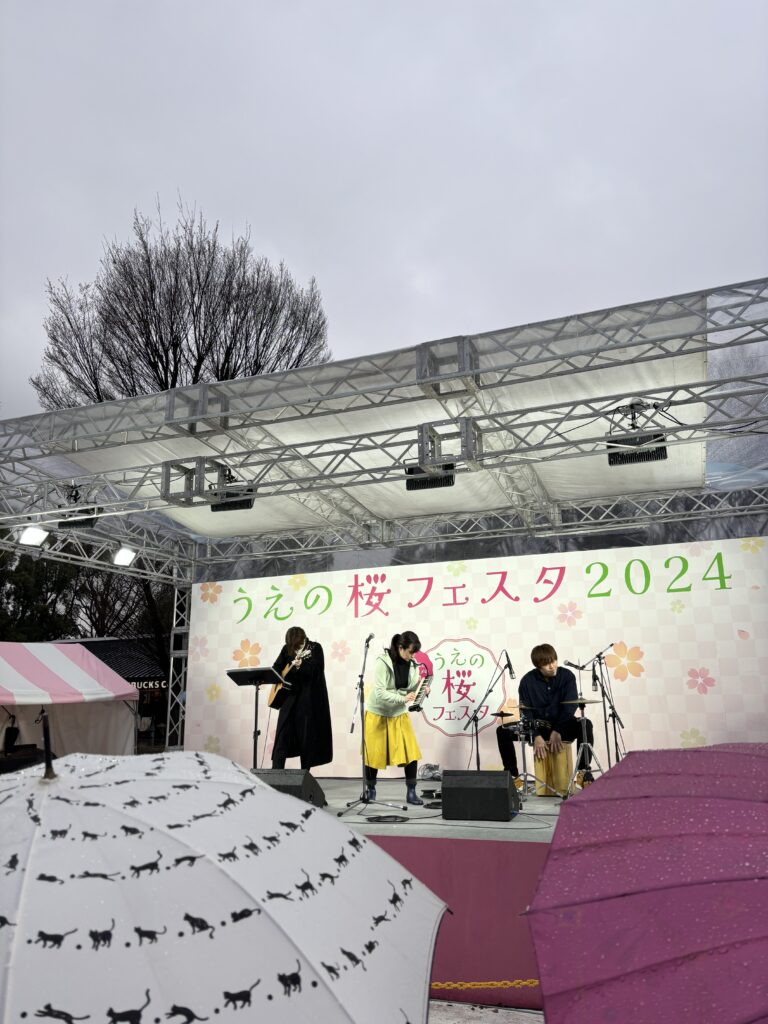
- Attend a nearby festival or local events you might see happening at the time: You never know if there will be a festival or event near you that you could join in on. As I was passing through to get out of Tokyo National Museum, I stumbled upon a “Cherry Blossom Festival” at Ueno Park, where I witnessed a Japanese band perform on a stage with plenty of food and merch vendors around. The entrance was free. Be on the lookout for these as you walk around this area, for any activities or events.
- Other museums in Ueno Park to see (if you have the time): National Museum of Nature and Science, National Museum of Western Art, Tokyo Metropolitan Museum, Ueno Royal Museum, Shitamachi Museum
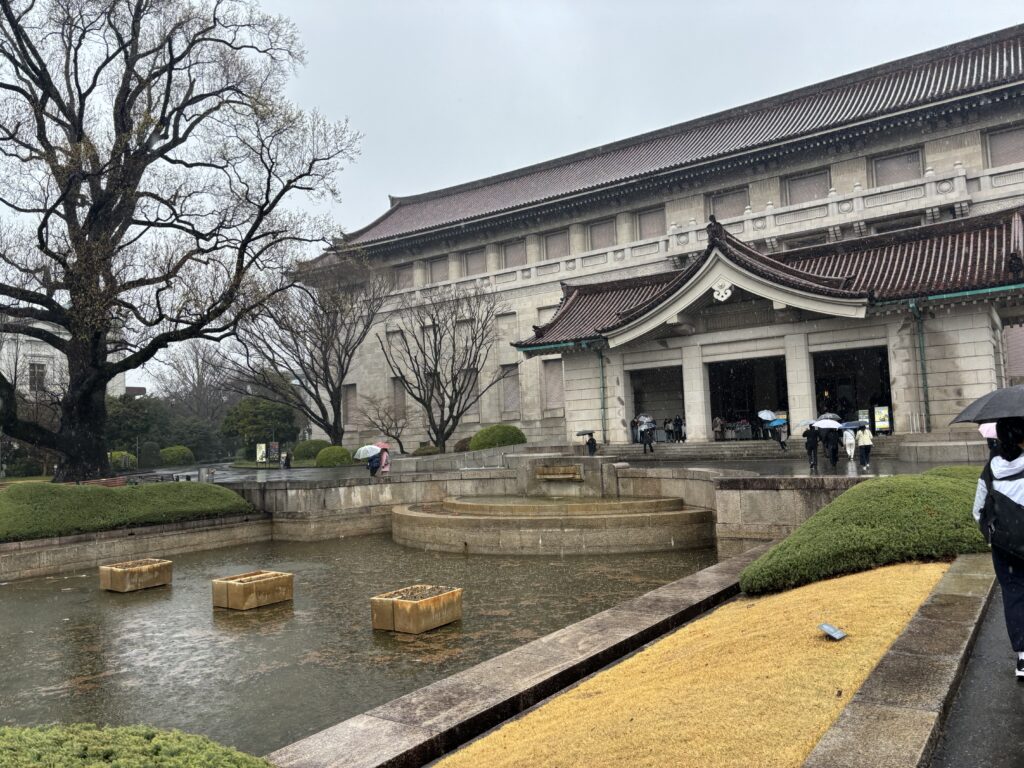
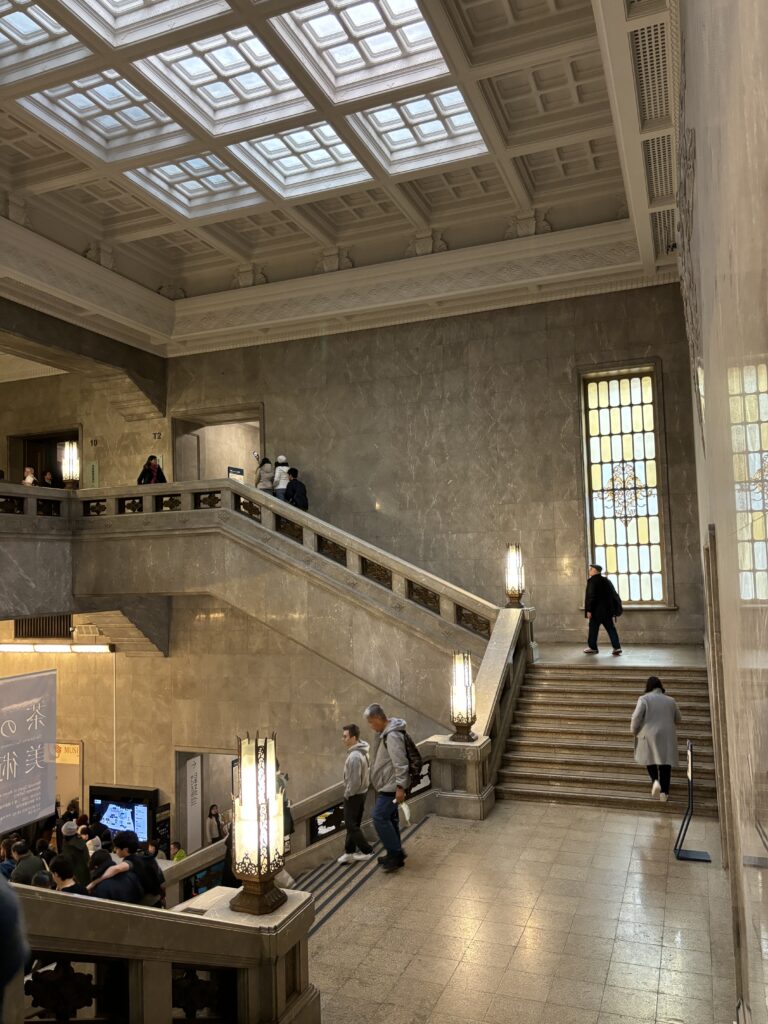
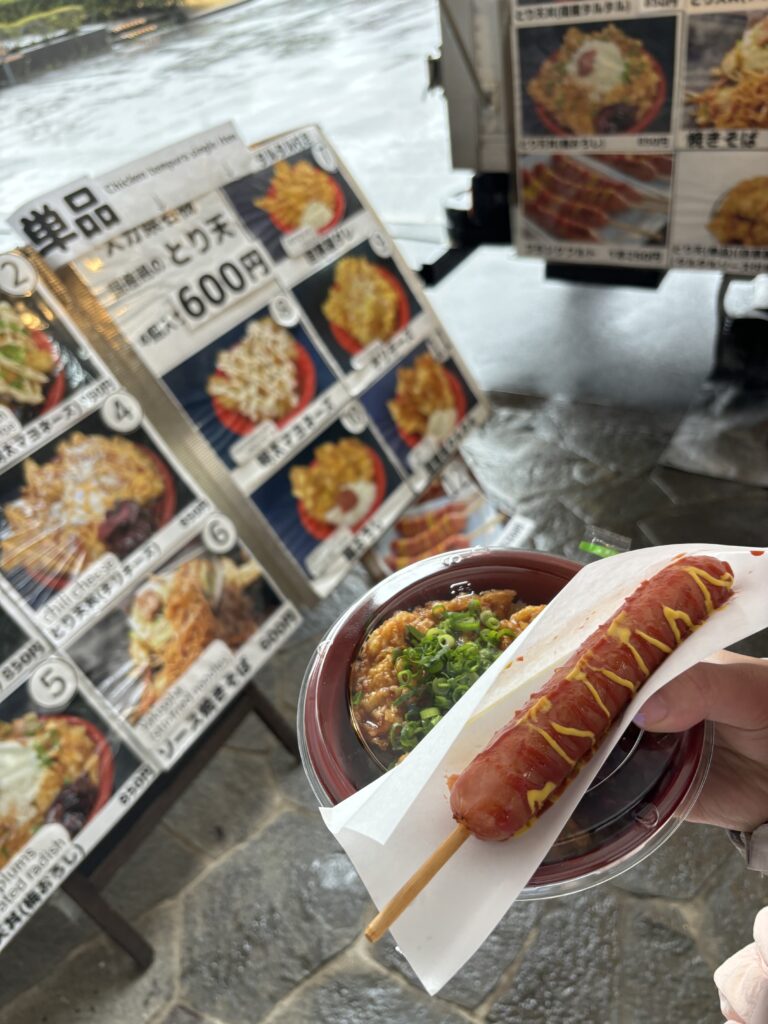
Day 10: Tokyo
Last day! You can either take it easy or do these:
- Sensō-ji Temple: This is one of Tokyo’s oldest established temples and it is an ancient Buddhist temple.
- Imperial Palace: This palace takes place in what looks like a park that has a beautiful bridge with many buildings to it that dates back to its history from the Emperor.
- Have one last dinner!
Tips to Know Before You Go to Japan
- Get a coin purse or buy one when you get to Japan. There will always be a tray right in front of the cashier to figure out how much change to give.
- Have cash out, don’t always rely on your cards. Exchange with currency exchanges or withdraw from ATMs.
- Learn the basic Japanese words to communicate to workers.
- Don’t bother packing a lot at all, pack very minimal.
- Make sure to bring really good comfortable walking shoes. (I took sneakers that have memory foam on them!)
- Get a SIM card or buy an international plan with your phone company beforehand.
- Luggage forwarding is common and useful if you have huge luggages – you can do it in convenience stores like 711 and Lawson’s. Best to pack light with a carry on to travel hassle-free!
- Download Google Maps, Google Translate, and Papago translating app.
- You can get taxes off at some pharmacy stores like Sundrug by showing your passport. Do not open the tax-free bags until you leave Japan.
- Trains close at midnight – keep in mind.
- To adjust to time quicker, try to stay up the day before and sleep when you get to your airbnb or hotel by evening in Tokyo.
- You can read my post here for more info on “Dos and Don’ts Tips” for what to expect when you visit Japan!
Tell me what you thought below!